These two bosses are variations of one another, with the Putrid Avatar being the more hazardous of the two. They share an identical move set and near-identical appearance. The main difference comes from an infection of Scarlet Rot . The Putrid Avatars are protecting Minor Erdtrees, which are rotting from within due to a Scarlet Rot infection, and the Putrid Avatars, in turn, are themselves afflicted by the same
Players of Elden Ring can acquire the Lion's Claw skill, which perfectly copies the front-flipping attack of the Artorias Greatsword, from two specific items: the Claymore greatsword weapon located in Castle Morne, and the Lion's Claw Ash of War item found in the Fort Gael location of the Caelid Wilds. The description for this overpowered Elden Ring Ash of War identifies itself as the signature skill of the Redmane Knights who fought alongside General Radahn, a once gallant Demigod with a faithful horse named Leonard who was contaminated by the Scarlet Rot contagion of his opponent Malenia and reduced to a mindless, cannibalistic beast as feral as Artorias
The Red Wolf of Radagon is a Great Enemy Boss that many of us struggle defeating on our own . In this fast-paced fight with aggressive magical ranged attacks, the Red Wolf is reminiscent of other Souls wolf bos
Being reminiscent of the Black Knights from Dark Souls and The Pursuer from Dark Souls II , the Night's Calvary was supposed to serve as a "wandering enemy" of sorts. But, later on, they were reduced to being an enemy that you could encounter only in specific areas. And, while knowing where they are, it would have been interesting to see them randomly gallivanting about and catching us by surpr
The distinction in Elden Ring between Intelligence and Faith magics dates all the way back to FromSoftware's Soulslike sub-genre progenitor, the 2009 dark fantasy RPG Demon's Souls . In this prototype title, destructive effects such as Soul Arrow and Fireball were exclusive to the Intelligence-boosted Magic Spells of sorcerers (inspired by wizards from D &D _ ), while fortifying spells such as Heal or Antidote were unique to the Faith-boosted Miracles of saints (inspired by clerics from _D &D _ ). The only damage-dealing Miracle in _Demon's Souls was the shockwave-generating God's Wrath spell. The games of the Dark Souls trilogy retained the same general division of magical arts, but gave Miracle-using characters access to lightning spells. Finally, Elden Ring and its origins of Incantations __ gave Faith-based spellcasters access to lightning, fire, poison, and other forms of elemental damage in addition to traditional "cleric spells" for healing injuries and warding off harmful status effects. This makes the "damage only" focus of Intelligence magic in FromSoftware games all the more glar
With all these direct examples of how fearsome the Scarlet Rot covering Elden Ring Tips Ring 's Caelid can be, the legendary feats of the Blind Swordsman, a character players only hear about second-hand, becomes all the more impressive. By all in-game accounts, this blue-clothed wanderer was no Demigod, had no special affinity with Incantations or Glintstone Sorceries, and merely wielded a single curved sword in battle. And yet, this mysterious legend somehow managed to defeat and seal away the Outer God who brought the rot itself - perhaps because he embodied everything that the Rot was
The humble NPC Thops, a self-described "Bluntstone" sorcerer players can encounter near Liurnia of the Lakes, may actually be the Glintstone Sorcerer closest in spirit to the non-militant astrologers or yore. He can sell players the Starlight spell, which conjures up a long-lasting ball of blue light, and at the end of his questline creates the Thop's Barrier spell, a temporary shield capable of deflecting attacks from Elden Ring 's final b
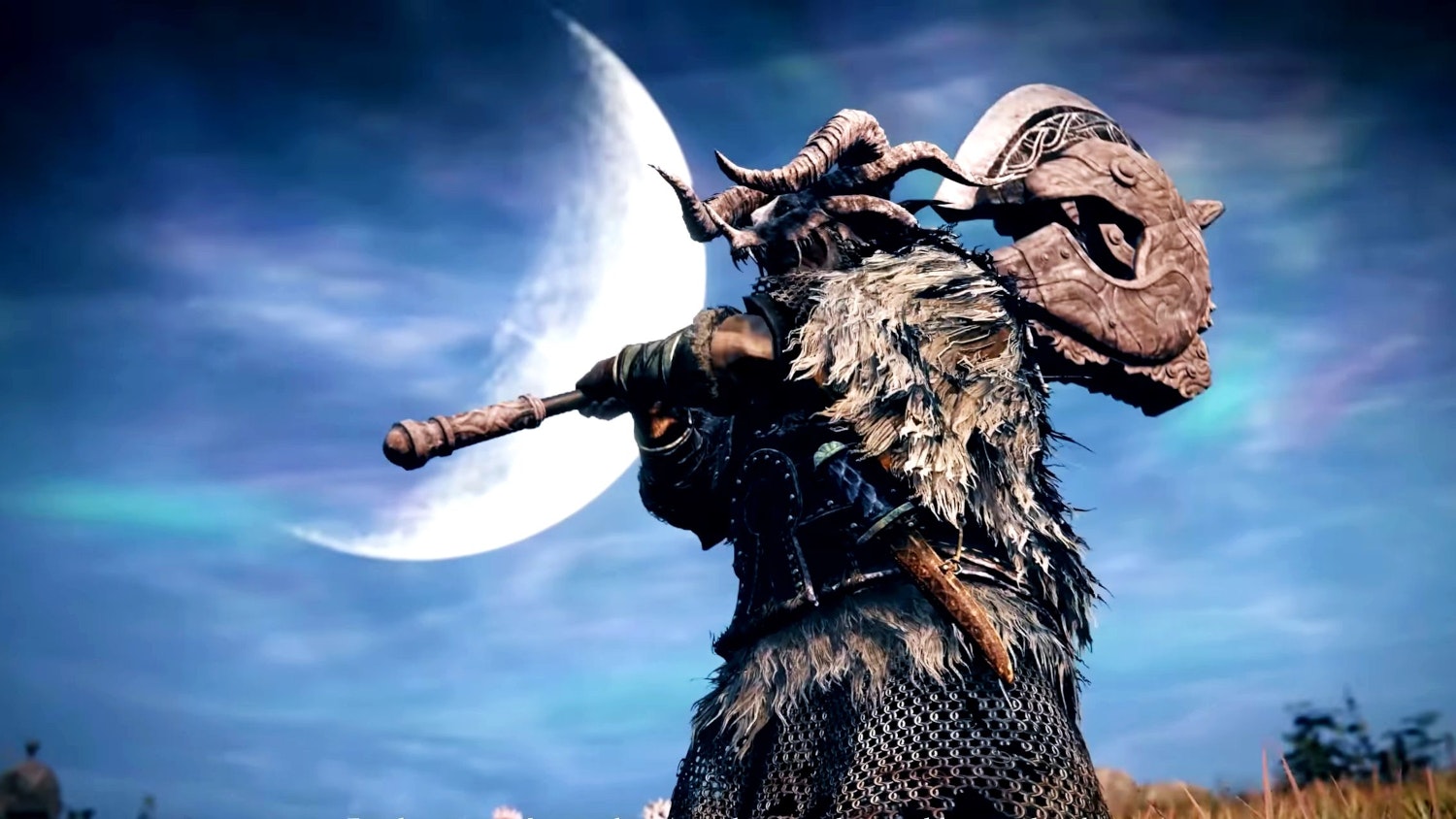 In the Lands Between setting of Elden Ring , the discipline of Glintstone Sorcery, iconic to the scholars of Raya Lucaria and the enchanted knights of Caria, is flavorful and fascinating. Glintstone, the mineral affixed to most sorcerer staves, is an extraterrestrial substance that fell from the heavens and grows in a life-like fashion in locations like Liurnia of the Lakes and Selia, Town of Sorcery. Most Glintstone Sorcery spells in Elden Ring thematically conjure up outer space phenomena such as shooting stars, distortions of light, storms of ice, crystal ores, and even surges of gravity, while sorcery-wielding creatures like the Crystalians, the Onyx/Alabaster Lords, and Fallingstar Beasts have an alien look. The lore of Elden Ring even talks about how the earliest Glintstone Sorcerers were star-gazing astrologers simply seeking to understand the mysteries of the cosmos, making it all the more tragic that most of the Glintstone Sorcery spells available to players of Elden Ring are focused exclusively around killing enemies. Future DLC, foreshadowed by the most recent 1.07 Patch, could change this state of affa